

Getting customers to your checkout takes investment. When payments fail, transactions become disputes or your business struggles to secure a suitable merchant account, that investment can quickly lose its value.
Mastercard is accelerating the move away from traditional card-number-based ecommerce payments and towards network tokenisation across the UK and Europe.
The latest milestone took effect on 1 October 2026, when eligible Mastercard credential-on-file transactions were expected to move to network tokens. This is particularly relevant to subscription businesses, travel companies, marketplaces and other merchants that store customers’ cards for future payments.

You work hard to attract customers to your website. You invest in SEO, paid advertising, social media, email campaigns, and customer experience. However, if your payment process isn't optimised, you're leaking revenue at the most critical point of the customer journey: checkout.
Travel businesses invest heavily in driving traffic, improving conversion and increasing bookings.
But what happens when a customer reaches checkout ready to buy, only for their online payment to be declined?
In today's digital world, payments are no longer just a back-office function. The checkout experience has become a critical part of the customer journey, influencing everything from conversion rates to customer loyalty. As payment technologies continue to evolve, businesses face increasing pressure to choose a payment provider that can support growth, maintain security, and deliver a seamless user experience.
In today's fast-moving digital economy, merchants processing high volumes of transactions need more than a payment provider. They need a strategic payment orchestration partner that can optimise payment performance, maximise authorisation rates, reduce costs, enhance resilience, and deliver a seamless customer experience. This is where Axcess Merchant Services stands apart.

Axcess Merchant Services has proudly sponsored Bishop Auckland-based grassroots football club AJX FC, helping provide brand new team kits for one of the club's young sides.
The sponsorship, worth just under £500, funded a full set of 11 playing strips, ensuring the team not only looks the part but feels it too. It also frees up valuable club funds to be invested where they're needed most - from facilities and equipment to the ever-increasing costs of running a thriving grassroots football club.

Travel Weekly highlight llness, injury and bereavement account for the vast majority (89%) of cancellation claim costs, with travel disruption accounting for just 8%. Furthermore 60% of travelers canvassed had not purchased travel insurance at the same time as they booked or planned their travel.
Refundplus provides our merchants with a win/win solution that delivers customer satisfaction and a new income stream

Weather the Storm: How Weatherplus™ Is Changing What Travel Businesses Can Offer at Checkout
Every travel business knows the feeling. A customer hesitates at checkout; not because the destination isn't perfect, or the price isn't right, but because they're staring at a TV report or a long-range forecast and quietly wondering: what if it rains or storms? That moment of doubt costs the industry billions every year in abandoned bookings, last-minute cancellations, and the kind of post-trip disappointment that never makes it into a five-star review.

Patrick Curtis - an insight from our partner Simple Refunds
The Ski World Is Crying Out for Refund Protection. After a few weeks on the slopes, filled with burnt noses, questionable après-ski decisions, and more mountain beers than anyone planned, one question kept coming up again and again: What actually happens when something goes wrong before we get here? Not hypothetically. In real life. Because on a ski trip, things do go wrong. And more often than people expect their travel supplier to provide the answer. Read on to learn the hidden risk behind every ski holiday
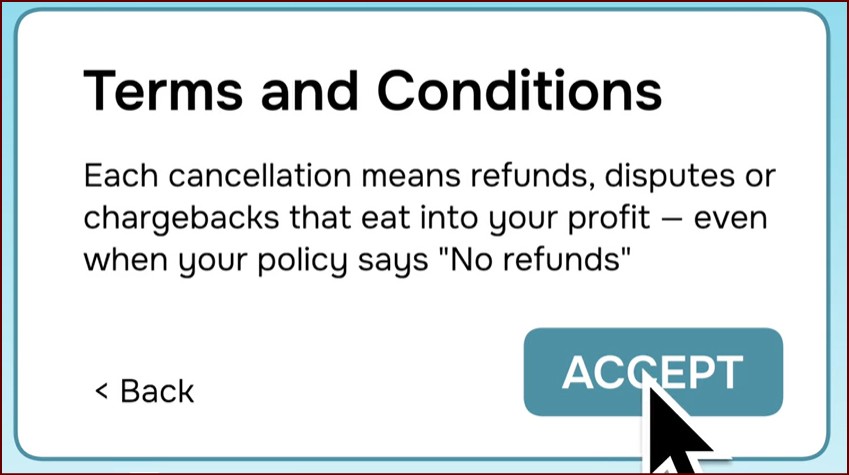
Travel, Entertainment & Hospitality Merchants - watch this short video to learn how Refundplus™ will enhance your business and profit by empowering wider refund terms without financial risk

Axcess Payments Group Refundplus™, the first fully gateway integrated refund protection solution that turns refunds from a cost centre into a new revenue stream for merchants trading across travel, events, hospitality and ticketing.

Fresh off the plane from Cyprus and still sporting a bit of sunburn, I wanted to share some reflections from this year’s IFX Expo. The event offered a great balance between meaningful networking and focused business discussions.

Recurring payments have become a key feature for businesses offering subscription-based services or memberships. Whether you're operating a streaming service, a gym, or a SaaS platform, ensuring seamless and secure recurring billing is essential to maintaining customer satisfaction and steady revenue. However, handling recurring payments requires compliance with card scheme regulations and best practices to avoid chargebacks, failed transactions, and disputes.

In today’s fast-paced digital economy, an efficient and reliable payment system is crucial for businesses striving to meet customer expectations and stay competitive. For UK-based merchants, evaluating your current payment system is not only a smart move—it’s essential to ensure your business operates smoothly, securely, and cost-effectively.

The travel industry can handle a little turbulence, but the checkout experience is one area where smooth sailing truly matters. Travellers expect booking a trip to be a seamless step in their journey, not a source of frustration.

In the dynamic landscape of online payments, fraud prevention is critical to retaining your customers' trust, your company’s financial health, and the ability to continue acceptance of card payments.
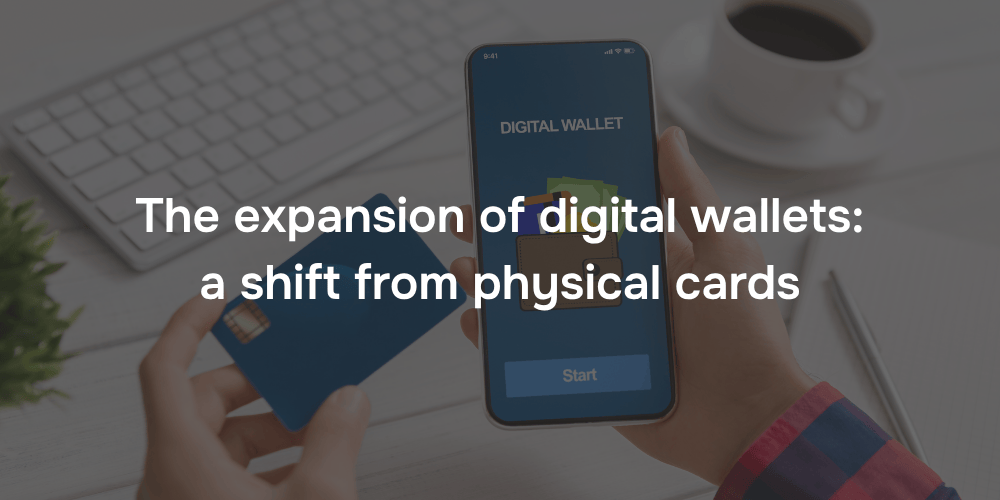
Digital wallets offer several benefits to the payments industry, including improved user convenience, enhanced security, integration with loyalty programs or reward systems directly within the wallet, and increased conversion rates. How do you think digital wallets might evolve in the coming years?


